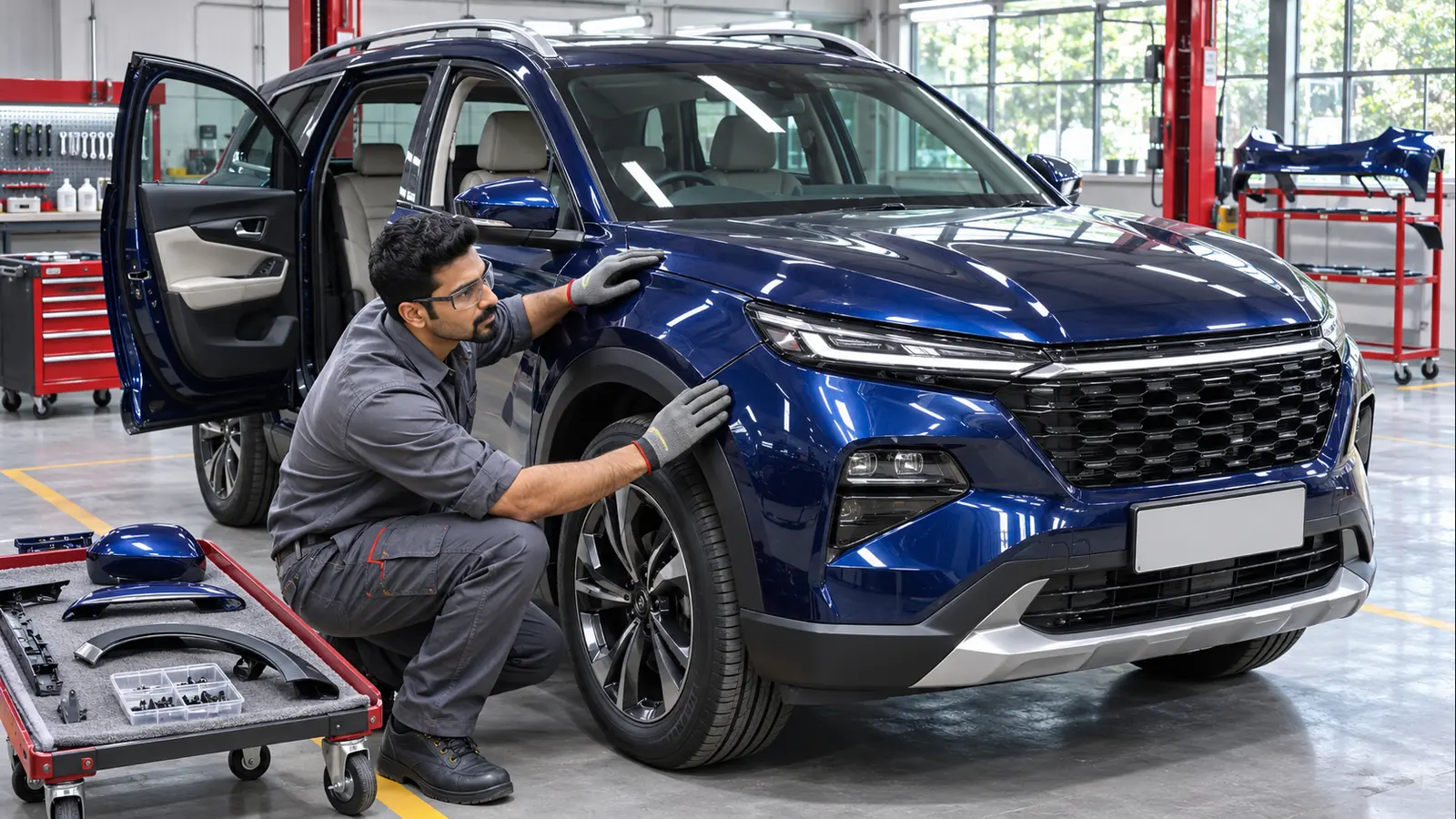
Restore or Replace Your Car? A Guide for Owners in Sidharth Vihar
Unsure whether to restore or replace your car in Sidharth Vihar? Compare condition, repair scope, downtime, ownership costs and practical needs before spending.
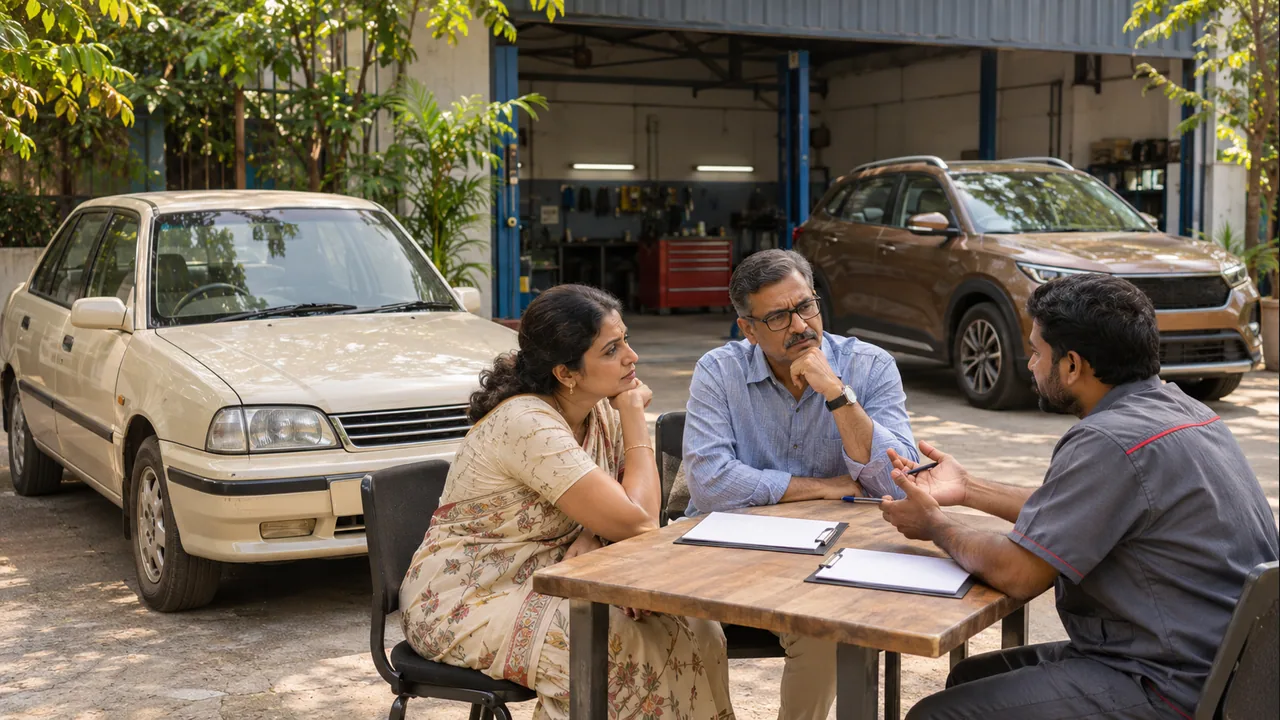
A large repair estimate can make replacing your car seem obvious. Yet another purchase also brings a price, transaction effort and uncertainty about condition. If you are deciding whether to restore or replace your car in Sidharth Vihar, compare the next few years of use rather than judging the decision from one bill.
Restoration is not automatically economical, and replacement is not automatically trouble-free. The sensible choice depends on condition, the work required, the vehicle's suitability and your tolerance for downtime. A structured comparison helps you separate practical needs from the understandable attachment you may feel towards a familiar car.
Establish Whether Restoration Is Feasible
Start with an inspection of the body, mechanical systems and other relevant components. Serious corrosion, extensive past damage or several uncertain faults may change the scope substantially. Ask which findings are confirmed and which require further access or testing before anyone can responsibly recommend a project.
Do not let a fresh paint proposal stand in for this assessment. A car can look tired yet have a sound mechanical base, or look respectable while needing major work. The first question is what would be required to return it to your intended use, not how attractive it could look after polishing.
Separate Essential Work from Preference
Create three lists: work necessary for appropriate operation, work needed for dependable everyday use and improvements you would simply enjoy. Ask the workshop to explain any overlap and which items cannot reasonably be deferred. This is a decision aid, not permission to continue driving with unresolved safety concerns.
Interior trim, finish quality and optional appearance work can make the car nicer to own, but they should not conceal the cost of required repairs. If the essential work already exceeds your comfortable budget, reassess the project before choosing a paint colour or ordering accessories.
Compare Realistic Costs on Both Sides
For restoration, include assessment, agreed repairs, foreseeable maintenance and an allowance for unresolved findings. Ask about parts sourcing and work that might require a revised estimate. A single headline number is less useful than a staged quotation explaining what it includes and what remains uncertain.
For replacement, consider purchase price, inspection, documentation-related expenses, insurance and likely initial maintenance. If you would buy another used car, recognise that its full history may also be incomplete. Compare plausible ownership costs rather than assuming the replacement will require no attention after purchase.
Need a condition-based starting point? Read the car restoration service details and request an assessment discussion with ROADSTERGURU. Confirm the available scope before deciding how much of the project to pursue.
Include Downtime and Daily Inconvenience
A restoration can take longer when parts are difficult to obtain or the assessment uncovers additional work. Ask which items control the schedule and whether the car will remain at the workshop between stages. Avoid building essential travel plans around a completion date that has not been confirmed.
Replacement has its own transition period: searching, viewing, arranging an assessment and preparing the next vehicle. Estimate how you will travel during either process. The cheapest option on paper may be unsuitable if it leaves your household without practical transport for an uncertain period.
Ask Whether the Car Still Meets Your Needs
Changes in family size, mobility needs, parking or journey length can make a familiar car less suitable. Restoring it does not change its basic layout or every feature limitation. Consider whether you would choose the same type of vehicle today if you were starting without emotional attachment.
Also check whether your intended ownership period is realistic for the vehicle and applicable requirements. Registration, road-use and transfer questions should be verified through the relevant authority for the particular car. Do not assume restoration work renews legal eligibility or removes an administrative restriction.
Put Emotional Value into the Decision Honestly
A car linked to family memories may justify spending beyond its likely resale value. That can be a valid personal decision if you can afford it and understand the limits. It becomes problematic when sentimental value is disguised as a claim that every restoration expense will be recovered later.
Set a maximum commitment before major work starts. Agree when new findings should trigger a pause and another comparison. Money already spent cannot be recovered by approving more unsuitable work; each next stage should still make sense against your current needs and available budget.
Choose a Staged Decision, Not a Forced Answer
You may be able to approve an assessment first and defer the full decision until the scope is clearer. Ask for written findings and a distinction between essential work and optional improvements. This provides a more useful basis than choosing immediately between a complete restoration and a different car.
For the sequence of a project that remains worthwhile, see the restoration planning guide. If replacement involves a used car, compare it with the refurbished versus regular used-car guide before relying on presentation alone.
Discuss Your Options Locally
Call ROADSTERGURU on 9990700500 or email roadsterguru@gmail.com with the model, known faults and intended use. The listed workshop is in Patwari, Greater Noida West; Sidharth Vihar is an enquiry service area. Request a clear scope before making a restoration commitment.
Frequently Asked Questions
Resale value is one factor. Also consider intended use, alternative ownership costs, condition, downtime and any personal value you consciously choose to fund.
Yes. An agreed assessment can clarify confirmed repairs, uncertainties and feasibility before a larger project is authorised.
Do not assume it does. Verify applicable vehicle-specific requirements with the relevant authority separately from workshop repairs.
Ask for findings, options and a revised estimate, then reconsider whether the next stage still fits your budget and intended use.