Refurbished vs Regular Used Cars: A Guide for Buyers in Noida Extension
Buying a used car in Noida Extension? Compare refurbishment scope, inspection evidence, maintenance needs and seller terms before deciding which car fits.
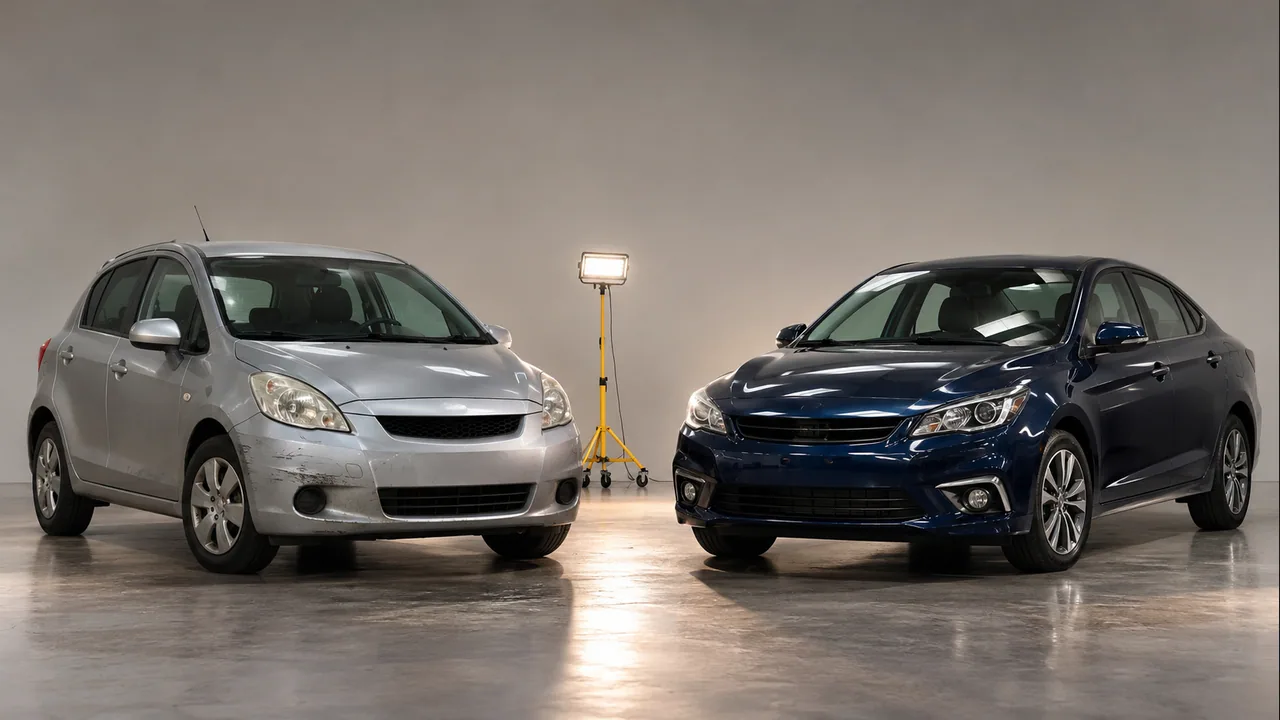
Two similar used cars can have very different asking prices. One may be advertised as refurbished, while the other is described simply as pre-owned. For buyers in Noida Extension, the useful comparison starts with condition and evidence, rather than assuming that the more polished listing offers better value.
Refurbished vs regular used cars is a comparison of preparation, documentation and remaining work. Either car can be well maintained or poorly understood. A refurbishment label becomes helpful only when the seller explains what was done and allows you to assess whether that work addresses your needs.
Understand What Each Description Actually Tells You
A regular used car is a vehicle that has had a previous owner. It may have a complete maintenance history and need little immediate work, or it may have outstanding repairs. The description alone tells you almost nothing about the quality of its care.
A refurbished used car has received work intended to improve condition. That might mean mechanical servicing, panel repairs, cabin attention or a combination. There is no reason to assume every advertised example has undergone the same process. Request a vehicle-specific account instead of relying on a generic sales brochure.
Compare Equivalent Cars Rather Than Labels
Start with model, age, engine, transmission and usage history. Comparing a newer automatic with an older manual can hide differences unrelated to refurbishment. Build a shortlist of genuinely similar cars, then note condition, available records and expected immediate maintenance for each one.
Think about what matters for your ownership. Someone making short daily journeys may prioritise dependable starting and comfortable cabin cooling. Someone covering longer distances may pay closer attention to seating, tyres and service continuity. Cosmetic improvements have value, but they should sit alongside these practical requirements.
Separate Cosmetic Preparation from Functional Repair
A fresh finish can make a car more pleasant to own. Cleaning seats, repairing trim or repainting damaged panels may be worthwhile work. However, those improvements do not establish engine health, braking performance or the condition of hidden components. Ask for separate descriptions of cosmetic and mechanical work.
Mechanical refurbishment also needs detail. Replacing an overdue filter is different from diagnosing an intermittent overheating problem. Ask which complaint prompted a repair, how the result was checked and whether any limitations remain. A clear invoice should make the conversation easier, not end it prematurely.
Want to discuss the difference? Visit the refurbished used-car information page and send ROADSTERGURU your questions. Confirm which vehicle-related support is available; stock and purchase arrangements are not assumed.
Build a Total-Cost Comparison
Write down the asking price and add foreseeable first-year costs. Include immediately required tyres, pending maintenance and any unresolved repair estimate. Keep ordinary ownership expenses separate from work needed because of the particular car's condition. This prevents an attractive purchase price from hiding a large initial catch-up bill.
For a refurbished example, ask whether the price includes all listed work and whether anything will be done after payment. For an ordinary used car, obtain an assessment before assuming you can complete every repair cheaply. Uncertainty is a real part of the decision, even when it cannot be reduced to an exact amount.
Compare the Quality of the Evidence
A folder of dated invoices can be more useful than a long inspection-point count without findings. Look for continuity between mileage, service dates and completed work. Ask for explanations when records are missing or inconsistent, while recognising that missing records do not prove a particular fault.
Independent assessment can help you judge both options within an agreed scope. Ask what can be checked without dismantling and what remains uncertain. The used-car buyer's checklist provides questions to take to a viewing rather than a promise that every issue can be detected.
Check Promises Separately from Preparation
Certification, warranty and return arrangements are separate from refurbishment. If any is advertised, request the issuer or responsible business, written terms and vehicle-specific applicability. A workshop invoice does not automatically provide a warranty, and a warranty does not necessarily cover every component or future repair.
Test-drive availability should also be confirmed before travelling. If a drive is offered, clarify permissions and observe the car under ordinary conditions. A short drive can reveal concerns, but it cannot recreate every temperature, traffic pattern or intermittent symptom that may arise during ownership.
Choose the Stronger Ownership Proposition
A regular used car with coherent records and a satisfactory assessment may suit you better than a refurbished car with unclear work. Equally, documented refurbishment that addresses genuine needs can reduce the immediate tasks you must organise. The deciding factor is the combination of condition, evidence, price and suitability.
Leave room to walk away when important questions remain unanswered. Paying for preparation is reasonable when you understand what you are receiving. Paying extra simply for a label leaves you with the same unanswered questions at a higher starting cost.
Ask Before You Commit
ROADSTERGURU's car restoration service explains how bodywork, mechanical and interior work can be planned separately. To discuss your requirements, call 9990700500 or email roadsterguru@gmail.com. Confirm the available support and next steps directly before arranging an assessment.
Frequently Asked Questions
No. Compare purchase price, completed work and likely upcoming maintenance. The result depends on the individual cars, not their labels.
Yes. A car can have consistent maintenance records without being advertised as refurbished. Review the evidence for each vehicle.
No. An assessment can help you understand current condition and limitations even when the seller supplies refurbishment invoices.
They overlap, but scope varies. Restoration may involve a broader staged project; ask for the actual work rather than relying on either term.