Alignment & Balancing Inspection Checklist
Alignment and Balancing Explained
Alignment is about angles: how the wheels point relative to each other and to the road. Even small errors make the car drift and scrub the tyres. Balancing is about weight distribution: a wheel with a heavy spot shakes as it spins. Different problems, different fixes.
Signs to Watch For
A car that pulls to one side on a straight, flat road is the classic sign. Others: a steering wheel that is crooked when driving straight, a squealing sound during turns, tyres worn on the inner or outer edge, and vibration through the steering at a certain speed. If you drive on roads with potholes or broken patches, check the alignment more often, since impacts knock settings out.
What Happens at the Workshop
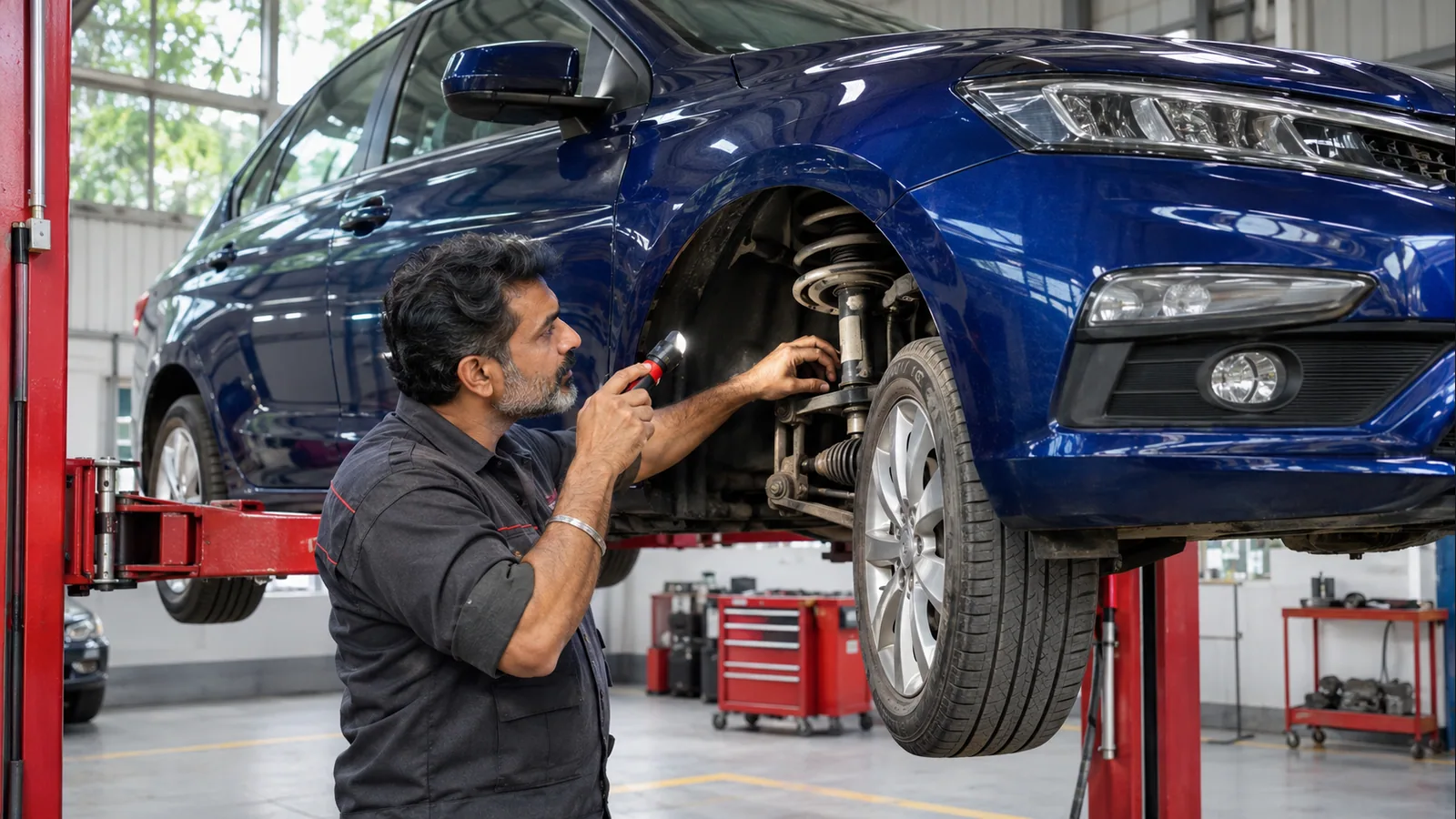
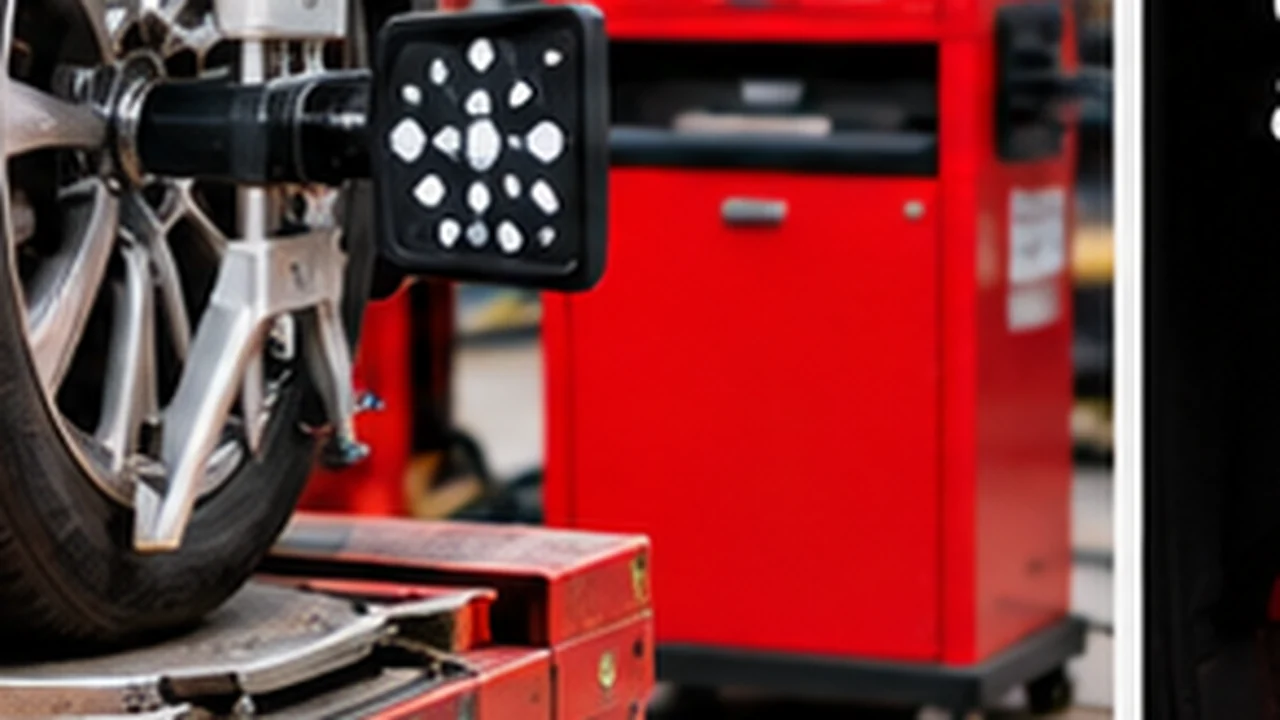
We measure the wheel angles on the alignment machine, adjust what can be adjusted and then balance each wheel. If the measurements show that parts are worn beyond adjustment, we tell you so you are not paying for an alignment that will not hold.
Protecting Your Tyres
Tyres are one of the largest running costs on a car. A check of pressures, rotation pattern and alignment during service is a cheap way to extend their life.
Wheel alignment and wheel balancing are separate procedures. Alignment checks wheel angles and handling; balancing addresses uneven mass in the wheel-and-tyre assembly. A pull to one side, irregular tyre wear or speed-related vibration can have several causes, so an inspection should determine which service is needed.
Alignment Versus Balancing
Wheel alignment adjusts wheel angles to specification; balancing corrects weight differences in the tyre-and-wheel assembly. Steering pull or uneven tread wear can indicate an alignment concern, while vibration at certain speeds can suggest a balance issue.
Tyre damage, worn suspension parts and incorrect pressure can cause similar symptoms. A technician should inspect these before recommending adjustments.