Car Restoration in Pratap Vihar: Planning Mechanical, Bodywork and Interior Repairs
Planning car restoration from Pratap Vihar? Learn how to assess condition, sequence mechanical and body repairs, budget for parts and agree a staged scope.
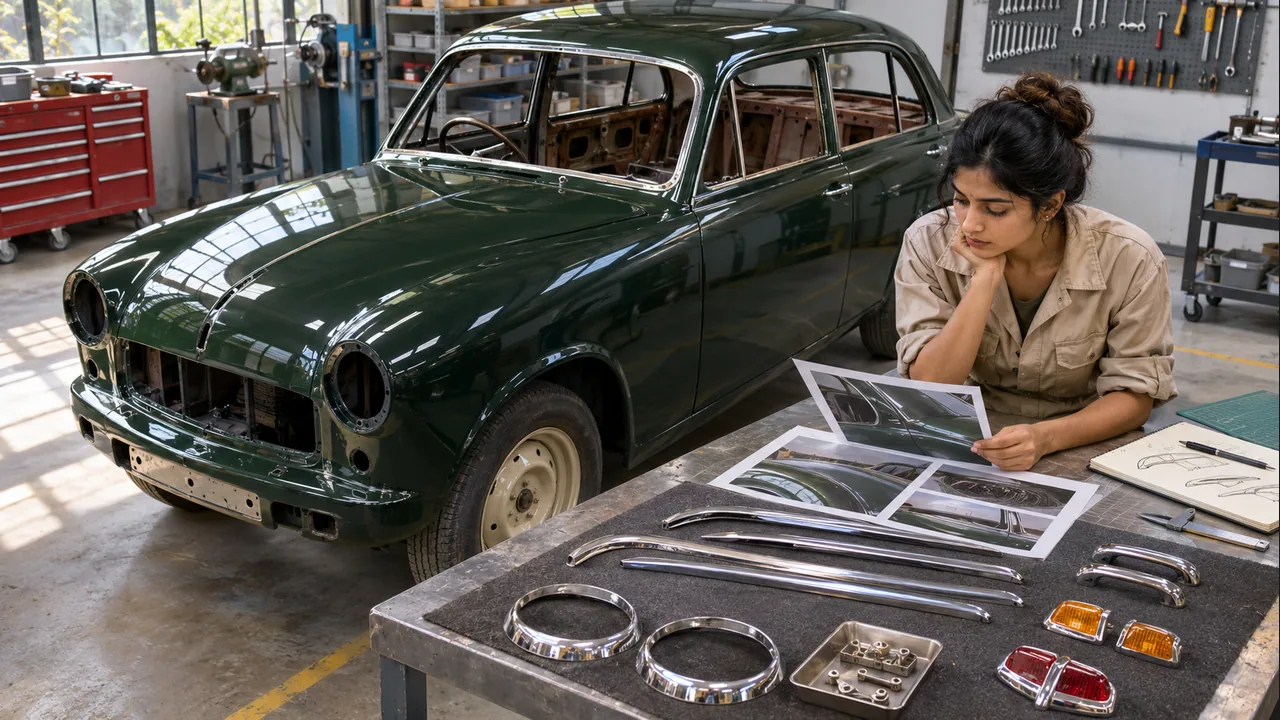
An older car can need several kinds of attention at once: a mechanical fault, corroded bodywork, faded paint and damaged cabin trim. Starting with the most visible problem can mean paying twice when later work disturbs the finish. For owners planning car restoration in Pratap Vihar, a staged scope makes the project easier to understand and control.
Restoration should begin with the outcome you want and the condition you actually have. Returning a family car to dependable everyday use is a different brief from pursuing a particular appearance. Both need inspection before anyone can sensibly estimate the extent, sequence and practical limits of the work.
Define a Usable End Point
Write a short brief covering how the car will be used after restoration. Decide whether your priority is reliable transport, preservation of familiar features or a more presentable cabin and exterior. List items you want retained, but allow the inspection to establish whether retaining them is appropriate.
Avoid promising yourself a like-new result before the car is assessed. Age, previous repairs and parts availability may restrict what can be achieved within your budget. A clear brief lets the workshop explain those trade-offs early instead of discovering that you and the technician imagined different outcomes.
Document the Starting Condition
Photograph the car and keep available service and repair records together. Discuss how long it has been parked, whether it has been exposed to water and which faults were present before storage. These details can influence inspection priorities even when the car looks reasonable from outside.
Ask for an assessment covering body, corrosion, mechanical systems, electricals and interior condition. Inspection may reveal areas that need further access before an estimate can be firm. Agree how additional findings will be documented and approved rather than assuming the first quotation can account for every concealed issue.
Establish Mechanical and Structural Priorities
A restoration plan should address issues affecting safe use before appearance. Brakes, steering, suspension, tyres and significant body corrosion can change whether a project is practical. Do not assume a running engine means the car is ready for ordinary driving after a long period parked.
Mechanical work may include resolving leaks, evaluating cooling and replacing worn parts where required. The aim is to identify the actual need, not replace every component simply because the car is old. Where the assessment has limits, ask what further inspection would reduce uncertainty and at what cost.
Have photographs and a project brief? Review ROADSTERGURU's car restoration service and contact the team to discuss an initial assessment. Confirm the appointment before bringing the vehicle from Pratap Vihar.
Sequence Body Repairs Before the Finish
Rust treatment and panel repair should be considered before final paintwork. The visible edge of corrosion may not show its full extent, so discuss how the workshop will handle findings after preparation. Covering a problem with fresh paint can produce an attractive short-term result without resolving the underlying damage.
Agree whether the project involves selected panels or a wider repaint, and clarify what preparation is included. Ask how previously repaired areas will be assessed. Keep expectations realistic about matching an aged finish and about differences that may become visible under different lighting conditions.
Plan Interior Work Around Access Needs
Seat, trim and cabin-surface work should be coordinated with any wiring, leak or body repairs requiring access. Reassembling a finished interior only to remove it again increases handling and labour. Ask which components must stay out until related work has been checked.
Confirm whether each item will be cleaned, repaired, refurbished or replaced. Those terms describe different outcomes. For replacements, discuss fit, colour and material availability before approving a purchase. A decision made from a vague description can be difficult to reverse once a part has been ordered or altered.
Budget with Checkpoints Rather Than Assumptions
Divide the estimate into meaningful stages, such as assessment, required mechanical work, body preparation and finishing. Identify parts that must be sourced before the next stage begins. Agree how delays or unavailable parts will affect the schedule and what decisions need your approval.
Keep a contingency for findings that cannot be confirmed initially, but do not treat contingency as blanket permission for extra work. Request revised costs and options when the scope changes. A useful stage ends with a clear record of completed work, remaining tasks and the decision needed to proceed.
Define Completion and Handover
Discuss how the agreed work will be checked at the end. Mechanical checks, a suitable road test where appropriate and a walk-through of body and interior work answer different questions. Ask for any ongoing limitations or maintenance needs to be recorded at handover.
If the inspection makes the project difficult to justify, compare it with our restore-or-replace decision guide. Reconsidering the scope before major spending is more useful than pressing ahead simply because some preliminary work has already been completed.
Arrange a Restoration Discussion
ROADSTERGURU's workshop is at 373, Sector 2, Patwari, Greater Noida West. Call 9990700500 or email roadsterguru@gmail.com with your model, photographs and intended outcome. Pratap Vihar is a service area, not a separate workshop address. Confirm scope and feasibility before approving work.
Frequently Asked Questions
Usually the plan should first resolve relevant assessment, corrosion and access needs. Agree the sequence for the particular vehicle before finishing work begins.
The existing service supports stage-by-stage planning. Which stages can be separated depends on condition, access needs and whether the car can safely be used between them.
Not always. Ask which areas remain uncertain and how further findings and revised costs will be approved.
Send the model, year, parking history, photographs, known faults and intended outcome. An inspection is still needed to establish feasibility.