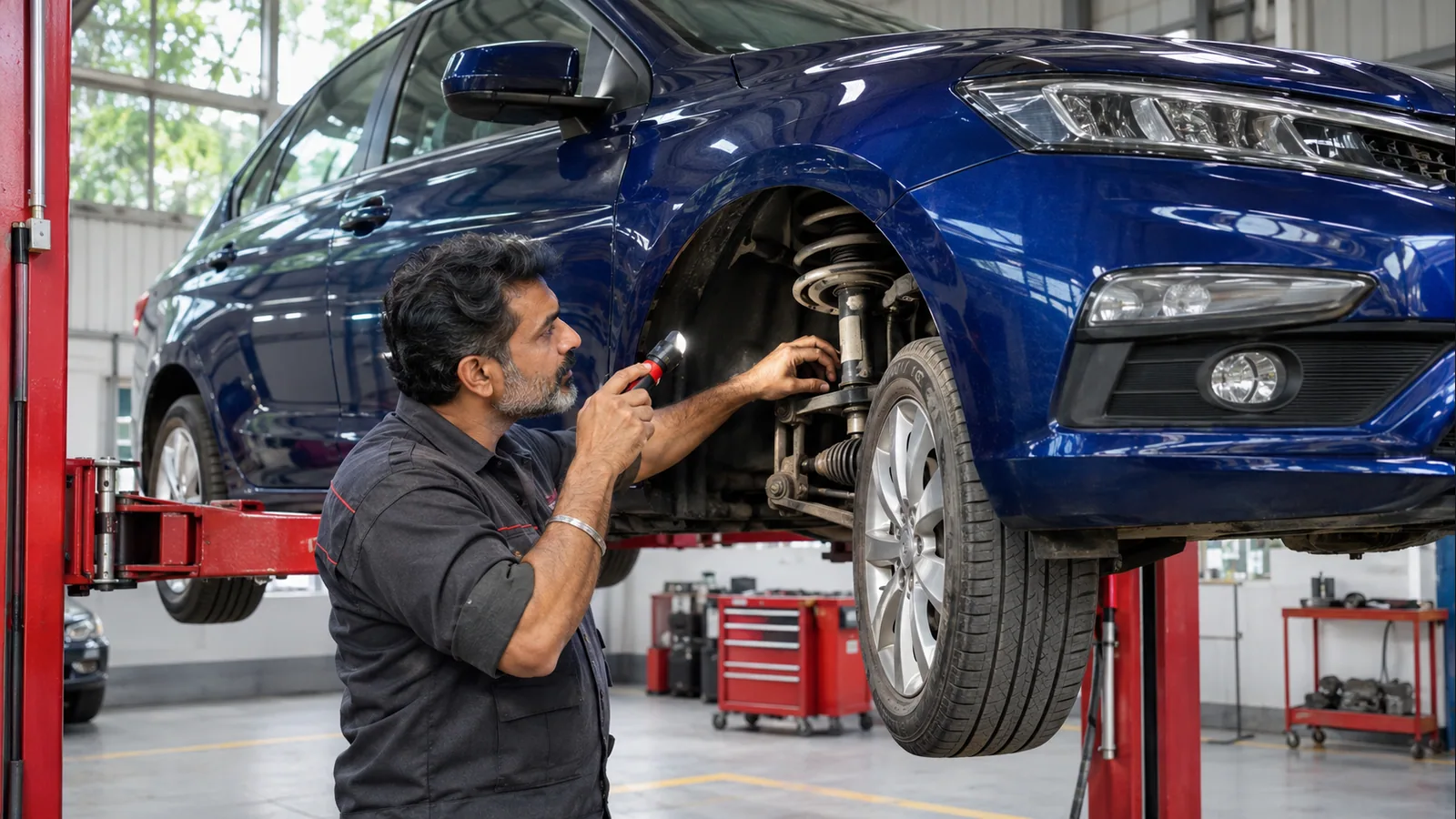
Car Clutch Problems: Symptoms, Causes and Repair Advice
The symptoms of car clutch problems, from slipping and judder to a heavy pedal and hard gear changes, what causes them and how clutch repairs are approached.
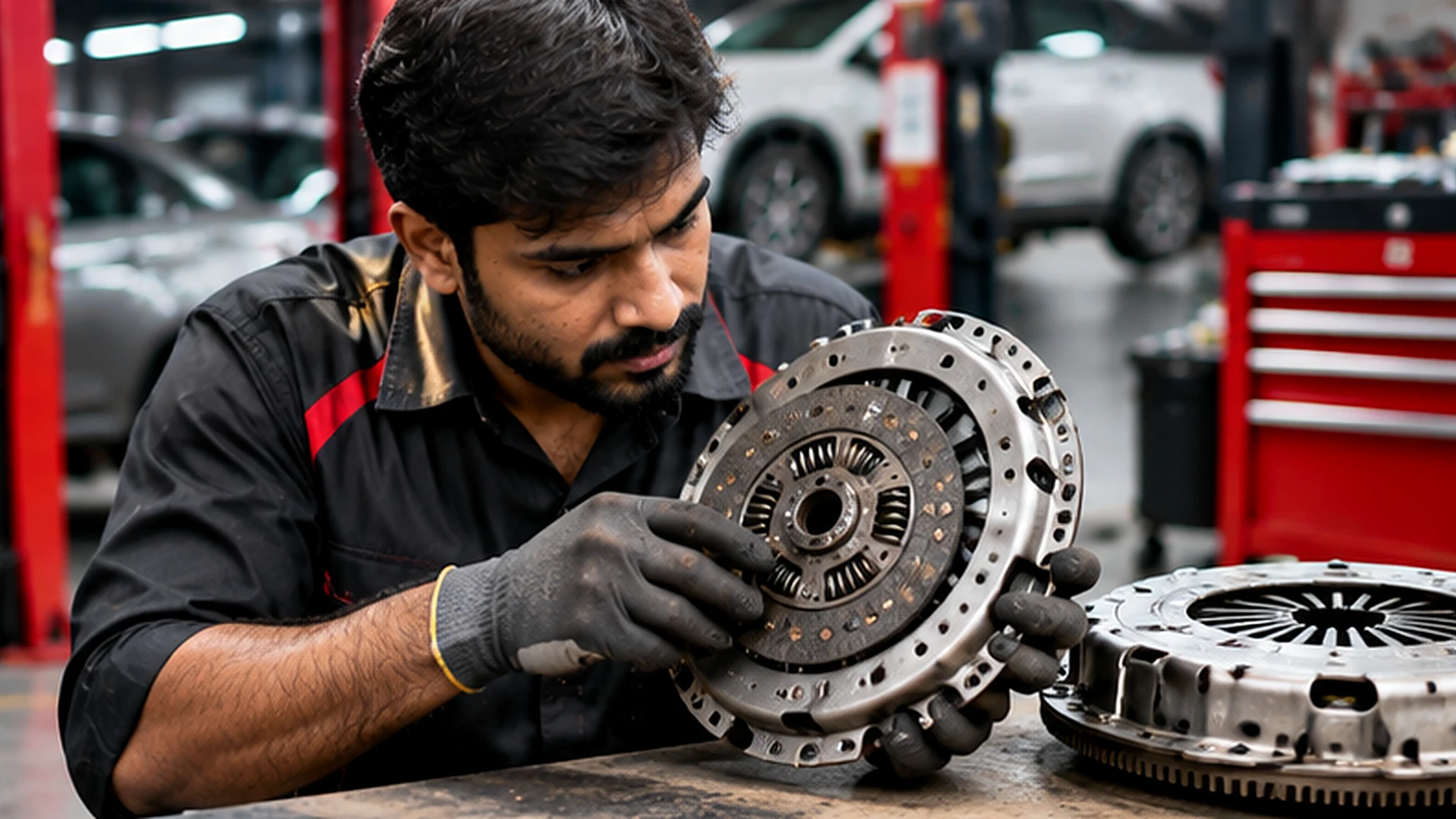
The most common car clutch problems are slipping, judder when moving off, a heavy or spongy pedal, difficulty selecting gears and noises when the pedal is pressed or released. They are usually caused by a worn clutch plate, a weak pressure plate, a failing release bearing or a hydraulic fault. Recognising the symptoms early helps you avoid being stuck in traffic and can prevent damage to the flywheel.
How a Clutch Works
In a manual car, the clutch connects and disconnects the engine from the gearbox. A friction plate is clamped between the engine's flywheel and a spring-loaded pressure plate. Pressing the pedal operates a release bearing that lifts the pressure plate, freeing the friction plate so you can change gear. The pedal is connected either by a cable or, more commonly now, by a hydraulic master and slave cylinder.
Why Clutches Wear Faster in City Traffic
Every time you move off, the clutch plate slips briefly against the flywheel while the engagement happens. In dense stop-start traffic around busy chowks and society gates, that can mean hundreds of engagements on a short journey. Holding the car on a slope with the clutch, resting a foot on the pedal and moving off with high revs all add wear.
Symptoms and What They Usually Mean
Slipping
Engine revs rise without the car gaining speed, most obviously in higher gears or climbing a flyover ramp. A burning smell may follow. This usually means a worn friction plate or a weakened pressure plate, sometimes oil contamination.
Judder When Moving Off
A shuddering engagement can come from a contaminated or glazed plate, a damaged flywheel surface, or worn engine and gearbox mounts.
High Biting Point
If the clutch only engages near the top of the pedal travel, the plate may be near the end of its life.
Heavy Pedal
A pedal that has become stiff can point to a worn cable, a failing pressure plate or a hydraulic problem.
Spongy or Sinking Pedal
Air in the hydraulic system, low fluid or a leaking master or slave cylinder can make the pedal soft or cause it to stay down.
Hard to Select Gears
If the clutch does not fully disengage, gears grind or are hard to engage, especially first and reverse. Causes include hydraulic faults, a sticking plate or adjustment issues.
Noise When the Pedal Is Pressed
A whirring or squealing that changes with pedal position often points to the release bearing.
How Clutch Problems Are Diagnosed
A technician will usually:
- Road test the car to confirm slipping, judder or shifting issues.
- Check pedal feel, free play and the biting point.
- Inspect clutch fluid level and condition, and look for leaks at the master and slave cylinders.
- Check engine and gearbox mounts.
- Listen for bearing noise with the engine running.
Some problems, such as a hydraulic leak, can be fixed without removing the gearbox. Others need the gearbox removed to access the clutch.
Replacing a Clutch
Clutch replacement involves removing the gearbox. Because of the labour involved, the plate, pressure plate and release bearing are normally replaced together as a kit. The flywheel is inspected; dual-mass flywheels in some diesel cars are checked for excessive play. The gearbox input shaft seal and crankshaft rear seal are checked for leaks, since oil on a new clutch would ruin it.
Do Not Confuse Clutch Issues with Engine Problems
Loss of power on inclines can feel like slipping but may actually be an engine performance issue. If revs and speed rise together but the car simply feels weak, read our guide to signs your car needs engine repair.
Habits That Extend Clutch Life
- Take your foot completely off the pedal when not changing gear.
- Use the handbrake on slopes instead of slipping the clutch.
- Move off with gentle revs.
- Shift to neutral and release the pedal when waiting at signals.
- Mention changes in pedal feel at your periodic car service.
Automatic and AMT Cars
Many newer cars use AMT gearboxes, which still have a clutch operated by an actuator. Judder, slow engagement or warning messages on an AMT need diagnosis, often including a scanner check. Our guide to computerised car diagnostics explains that process. Conventional automatics and CVTs have different components and are diagnosed differently.
Conclusion
Slipping, judder, a changing biting point, a heavy or soft pedal and hard gear selection are the clutch symptoms to watch. Early diagnosis can sometimes mean a simple hydraulic repair instead of a full clutch job.
If your clutch is showing any of these signs, call ROADSTERGURU on 9990700500 or WhatsApp us. We inspect clutch and gearbox issues at our Patwari workshop in Greater Noida West and explain the options before starting work.
Frequently Asked Questions
The engine revs rise but the car does not accelerate as it should, especially in higher gears or on inclines. You may also notice a burning smell.
It depends heavily on driving style and traffic. Heavy stop-start traffic and riding the clutch shorten its life considerably.
Some cable-operated clutches can be adjusted. Hydraulic clutches self-adjust, so problems usually mean a hydraulic fault or a worn clutch.
A clutch that does not fully disengage, low or contaminated clutch fluid, or worn gearbox linkages can all cause hard shifting.
Yes. The flywheel surface is inspected and, if worn or damaged, resurfaced or replaced, depending on its type.