10 Signs Your Car Needs Engine Repair in Greater Noida West
Ten warning signs that your car's engine needs attention, what each one usually means and when to stop driving, for owners in Greater Noida West.
Engines rarely fail without warning. Most problems announce themselves through changes in sound, smell, smoke, performance or dashboard lights long before a breakdown. Recognising these signs early is the difference between a straightforward repair and a major one. Below are ten signs that your car needs engine repair or attention, what each one usually indicates and how urgent it is.
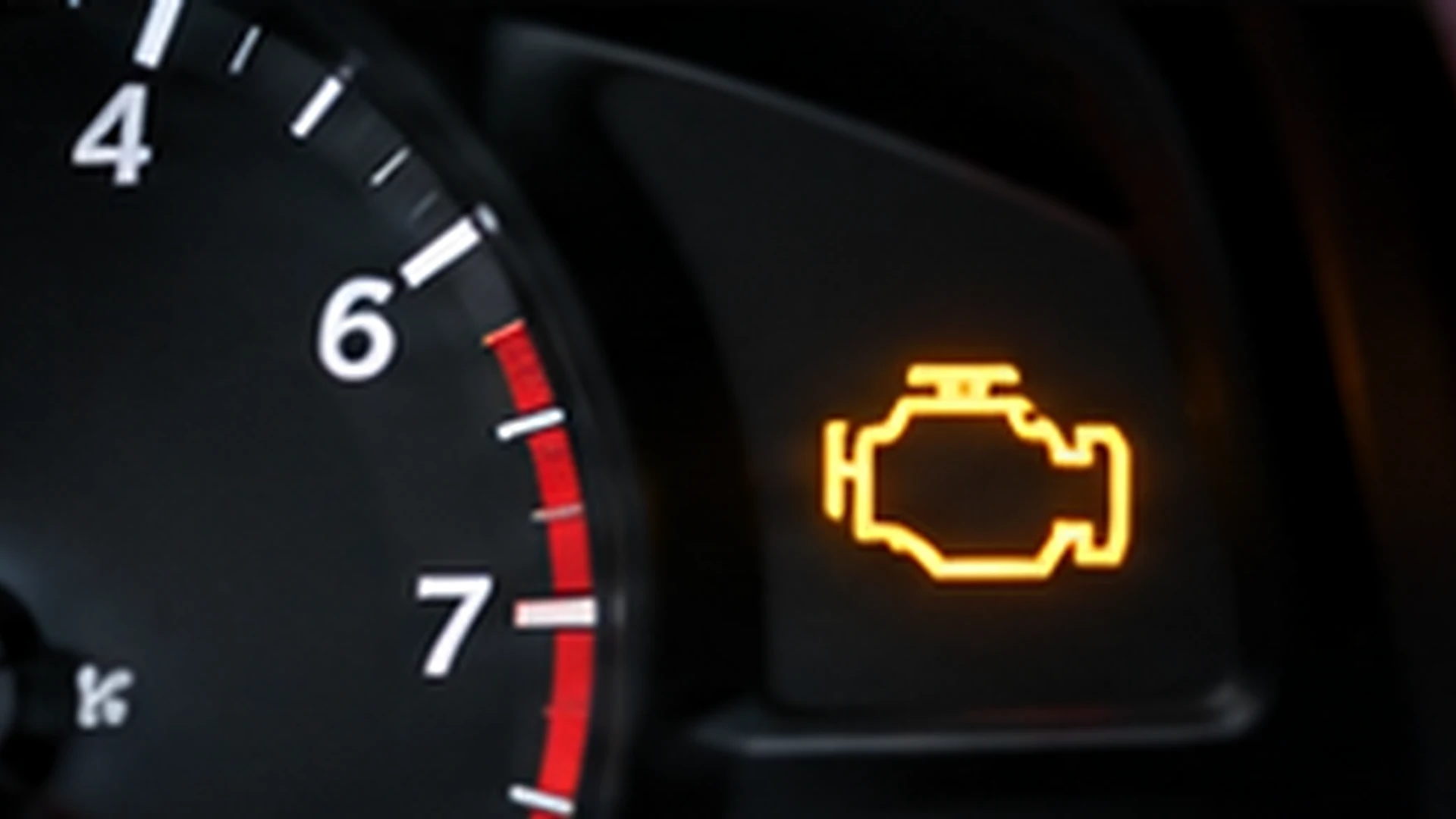
1. the Check Engine Light Comes On
The check engine light means the engine control unit has detected a fault. A steady light means "get this checked soon"; a flashing light usually signals a misfire that can damage the catalytic converter, and you should reduce speed and have it inspected promptly. Our article on why the check engine light comes on explains the common causes in detail.
2. Knocking or Tapping Noises
A rhythmic knock that rises with engine speed can point to worn bearings, low oil pressure or incorrect fuel combustion. A lighter tapping at idle may be valve train noise from low oil. Either way, check the oil level first and arrange an inspection. Knocking that gets louder is a reason to stop driving.
3. Overheating
If the temperature gauge climbs above normal, or you see steam from under the bonnet, pull over safely and switch off. Overheating can warp the cylinder head and damage the head gasket. Common causes include coolant leaks, a failed thermostat, a faulty radiator fan or a slipping water pump belt. Slow traffic around busy chowks in summer is exactly when a weak cooling system shows itself.
4. Unusual Exhaust Smoke
Smoke colour is a useful clue:
- Blue or grey: oil is being burned.
- Thick white, sweet-smelling: coolant may be entering the combustion chamber.
- Black: the engine is running rich, using too much fuel.
A little white vapour on a cold morning is normal condensation. Persistent coloured smoke is not.
5. Loss of Power or Poor Acceleration
If the car feels sluggish when overtaking or climbing a flyover ramp, the cause may be a clogged air filter, fuel delivery issues, a failing sensor, ignition problems or, in turbocharged engines, a boost leak. A diagnostic scan combined with a physical inspection narrows it down.
6. Rough Idle or Stalling
An engine that shakes at a standstill, hunts up and down in rpm or stalls when you stop can have dirty throttle components, vacuum leaks, worn spark plugs or ignition coils, or sensor faults. Ignoring it often leads to poor fuel economy and, eventually, harder starting.
7. Oil Leaks or Rapidly Falling Oil Level
Dark spots under the parked car, a burning-oil smell or the need to top up often all suggest a leak or oil consumption. Common sources include valve cover gaskets, sump gaskets and seals. Small leaks are usually inexpensive to fix early; left alone, they can lead to low oil levels and engine wear.
8. Increased Fuel Consumption
A noticeable drop in mileage with no change in driving pattern points to something working inefficiently: a dirty air filter, worn spark plugs, faulty oxygen sensors, dragging brakes or under-inflated tyres. Not every cause is in the engine, which is why a structured inspection matters.
9. Burning or Fuel Smells
A smell of raw petrol or diesel near the car is a safety issue and should be checked immediately. A burning oil smell often means oil is leaking onto hot exhaust parts. A sweet smell can indicate a coolant leak.
10. Hard Starting
If the engine cranks for longer than usual before starting, the issue may be the battery, starter motor, fuel pump, injectors or ignition system. Our guide to car battery warning signs helps you rule out the simplest cause first.
How Engine Problems Are Diagnosed
A sensible diagnosis follows a sequence:
- Listen to the owner's description: when the symptom appears, how long it has been happening, any recent work.
- Check basics: oil level and condition, coolant, belts, visible leaks.
- Read fault codes with a scanner and look at live sensor data where possible.
- Road test to reproduce the symptom.
- Explain the findings and the options before any repair.
A fault code points to where to look, not always the exact faulty part. That is why a scanner reading should be combined with inspection, as explained in our article on computerised car diagnostics.
Reducing the Risk of Engine Repairs
Most engine damage traces back to a few avoidable causes: old or low oil, overheating, a clogged air filter and ignored warning lights. Staying on schedule with a periodic car service, checking oil and coolant monthly and responding quickly to warning signs prevent the majority of serious problems.
Conclusion
Knocking, overheating, smoke, warning lights, leaks and loss of power are all signals worth acting on. Some are minor and inexpensive when caught early; a few need you to stop driving immediately.
If you notice any of these signs, describe them to ROADSTERGURU on 9990700500 or WhatsApp. We will tell you whether it is safe to drive to our Patwari workshop in Greater Noida West, and we will inspect the car and explain what we find before any repair begins.
Frequently Asked Questions
Stop as soon as it is safe if the temperature gauge rises into the red, the oil pressure light comes on, the check engine light flashes or you hear loud knocking. Continuing can cause serious damage.
Yes. Low or degraded oil increases friction and heat. Check the dipstick regularly and top up with the grade specified in your manual.
No. It can be something simple such as a loose fuel cap or a faulty sensor. A diagnostic scan and inspection tell you what the light is reporting.
Blue smoke usually means the engine is burning oil. It should be inspected soon, because the cause can range from worn valve stem seals to more significant internal wear.
It reduces the risk considerably. Timely oil changes, clean filters and a healthy cooling system prevent many of the problems that lead to engine repair.